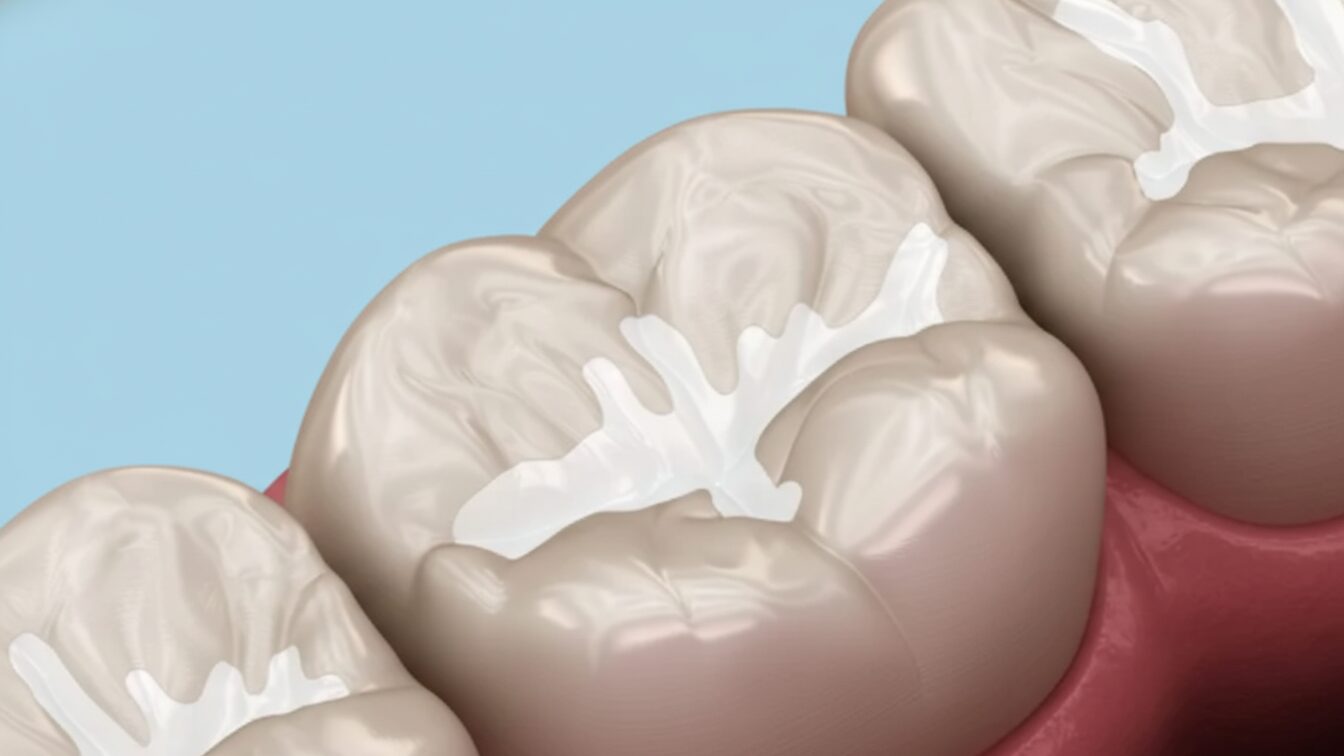
Root canal recovery is quick: most people return to work or school the same day or the next morning, driving is fine immediately after standard treatment with local anesthesia, and eating can resume as soon as the numbness wears off, starting soft and chewing on the other side. Soreness peaks in the first 48 hours and fades over 3 to 5 days, with the tooth feeling fully normal within 1 to 2 weeks. The one recovery rule that outlasts the soreness: treat the tooth as fragile until its permanent crown or filling is placed, because that final restoration, not the root canal itself, is what returns the tooth to full duty.
Recovery is also shorter than most people expect because the appointment itself is shorter than they expect: how long the procedure takes is 60 to 90 minutes for most teeth.
The Recovery Timeline at a Glance
| When | What to expect | What you can do |
|---|---|---|
| First 2 to 4 hours | Numbness fading | Drive, work, rest; no eating until sensation returns |
| Day 0 evening | Dull soreness begins | Soft dinner on the opposite side |
| Days 1 to 2 | Peak tenderness on biting | Normal activities; soft diet; simple pain relief if advised |
| Days 3 to 5 | Clear daily improvement | Most foods back, still favoring the other side |
| Week 1 to 2 | Occasional twinges at most | Essentially normal life |
| Crown placed (1 to 4 weeks) | Tooth restored to full strength | Everything, including that side |
If your recovery curve points the other way (pain rising after day 2, swelling, fever), that is not a recovery pattern, it is a call-your-provider pattern; the full red-flag list is in our guide to pain after a root canal.
Can You Drive After a Root Canal?
Yes. Standard root canal treatment uses local anesthesia only: your mouth is numb, your head is clear, and driving yourself home is expected and safe. The exception is sedation. If you received oral sedation, nitrous oxide beyond the recovery window your office specifies, or IV sedation for dental anxiety, you cannot drive that day and must arrange a ride, exactly as your office will have instructed in advance. When in doubt, the rule is simple: local anesthetic alone, drive; any sedation, passenger.
When and What Can You Eat After a Root Canal?
Wait for the numbness to fully wear off, typically 2 to 4 hours. Eating while numb risks biting your cheek, lip, or tongue hard without feeling it, the most common self-inflicted injury of dental recovery.
First 24 to 48 hours, favor soft and lukewarm:
- Yogurt, cottage cheese, smoothies (no straw needed after a root canal, unlike extractions)
- Scrambled eggs, omelets
- Mashed potatoes, well-cooked pasta, rice
- Soups and broths, warm rather than hot
- Oatmeal, soft bread without hard crusts
- Bananas, applesauce, soft cooked vegetables
- Fish and finely cut tender meat
Hold off for several days on:
- Hard food: nuts, ice, hard candy, chips, crusty baguette
- Chewy and sticky food: caramel, taffy, tough meat, bagels
- Very hot food and drink while tissues are tender
- Chewing gum on the treated side
- Alcohol during the first days, and strictly if any medication your provider suggested says so
The standing rule until the crown: chew on the other side. A root canal removes the internal blood supply that kept the tooth slightly resilient, and until the crown is placed, the tooth is at its most fracture-prone. Cracking a treated tooth on a peanut in week two is the classic way to lose a tooth that the root canal had just saved (what a crack means for a tooth is covered in our cracked tooth guide).
Back to Work, Sport, and Routine
- Work and school: same day for desk work if you feel up to it; next morning is the common choice after a long or afternoon appointment. Heavy physical labor is better deferred one day.
- Exercise: light activity the same day is fine; intense training, heavy lifting, and contact sports wait 24 to 48 hours, since elevated blood pressure amplifies throbbing in freshly treated tissue.
- Oral hygiene: brush and floss normally from day one, gently around the treated tooth. Warm salt water rinses from day 2 soothe tender gum.
- Smoking: every day without it helps healing; dental infections heal measurably worse in smokers. If quitting is on your list, a root canal is a genuinely good starting line.
- Follow-up: keep the crown appointment like it is part of the procedure, because it is. Between 1 and 4 weeks is the standard window, and delaying it is the single most common recovery mistake.
The Temporary Filling: Care and Feeding
Between the root canal and the crown, a temporary filling seals the tooth. It is designed to be removable, which means it is designed to be soft. Expect it to feel slightly rough and possibly wear down a little; that is normal. Avoid sticky candy and chewing gum on it entirely. If a piece chips off or the filling feels suddenly low or lost, call the office for a quick replacement rather than waiting for the crown date: an unsealed tooth invites the bacteria back, and reinfection restarts the whole process at full price (see what that process costs in our root canal cost guide).
FAQ
How long does it take to recover from a root canal?
Comfort returns within 3 to 5 days and the tooth feels fully normal in 1 to 2 weeks. Most people work the next day; many the same day.
Can you eat after a root canal?
Yes, as soon as the numbness wears off (2 to 4 hours). Start soft, keep it lukewarm, and chew on the opposite side until the permanent crown is placed.
Can you drive home after a root canal?
Yes, if you had local anesthesia only, which is the standard. Any form of sedation means arranging a ride, per your office's instructions.
When can I chew normally on the treated tooth?
Once the permanent crown or filling is placed, typically 1 to 4 weeks after treatment. Until then the tooth is fracture-prone; chew elsewhere.
How long after a root canal can I exercise?
Light activity the same day; intense workouts and contact sports after 24 to 48 hours.